
Unraveling the complexities of human health requires models and tools that closely mirror human physiology.
Microphysiological Systems (MPS) represent a transformative approach to culturing and studying human tissues under conditions that closely mimic the natural physiological environment. MPS technology facilitates the replication of biochemical, electrical, and mechanical responses essential for accurately simulating in vivo conditions and allows for the precise modeling of specific properties intrinsic to tissue function and disease states. The Hopkins Center for MPS is dedicated to fostering collaboration and providing cutting-edge technologies to our vibrant MPS research community.

Intelligence in a dish: Hopkins researchers advance biocomputing
Hopkins researchers have developed the concept of organoid intelligence, utilizing brain organoids to create faster and more-efficient computers.

Could future computers run on human brain cells?
Johns Hopkins researchers tout the promise of 'organoid intelligence,' which could one-day yield computers that are faster, more efficient, and more powerful than silicon-based computing and AI

Under attack: Researchers shed light on how Lyme disease infects the body
Though it's common knowledge that Borrelia burgdorferi—the bacteria that causes the disease—enters the body through the bite of an infected deer tick, how the bacteria manages to migrate from that bite into a person's bloodstream has not been clearly understood.
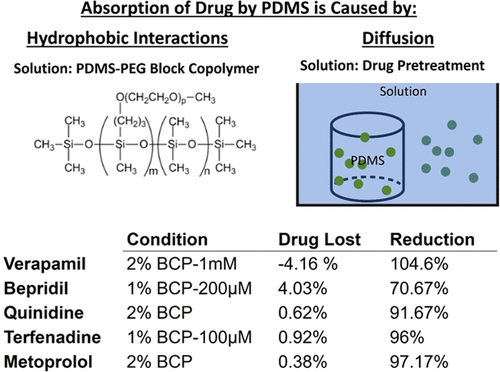
Publication highlight: PDMS–PEG Block Copolymer and Pretreatment for Arresting Drug Absorption in Microphysiological Devices
The Kim Lab published a New Method for Arresting Drug Absorption in Microphysiological Devices
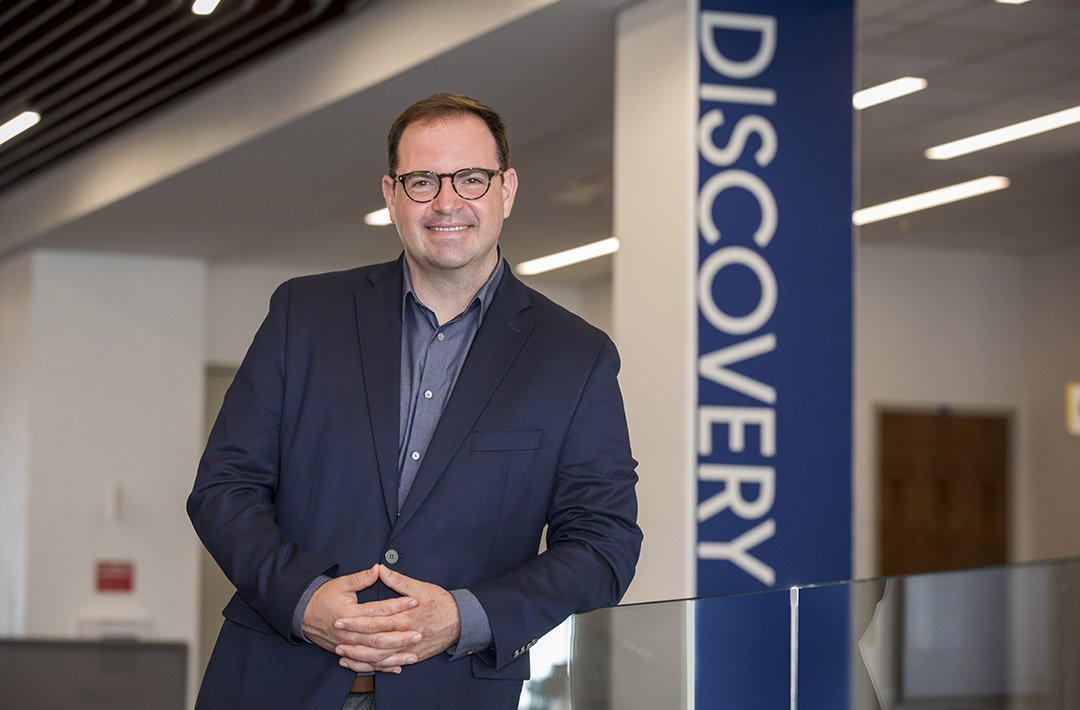
The Trapecar lab receives the R35 MIRA Award
Martin Trapecar and his colleagues received a competitive “Maximizing Investigator’s Research Award” (MIRA) to help facilitate their research using multiorgan microphysiological systems to gain insight into a new class of immune cells.

KSEA Awards Deok-Ho Kim the Engineer of the Year Award
Deok-Ho Kim, has been selected to receive the 2022 Engineer of the Year Award from the Korean-American Scientists and Engineers Association and the Korean Federation of Science and Technology Societies.
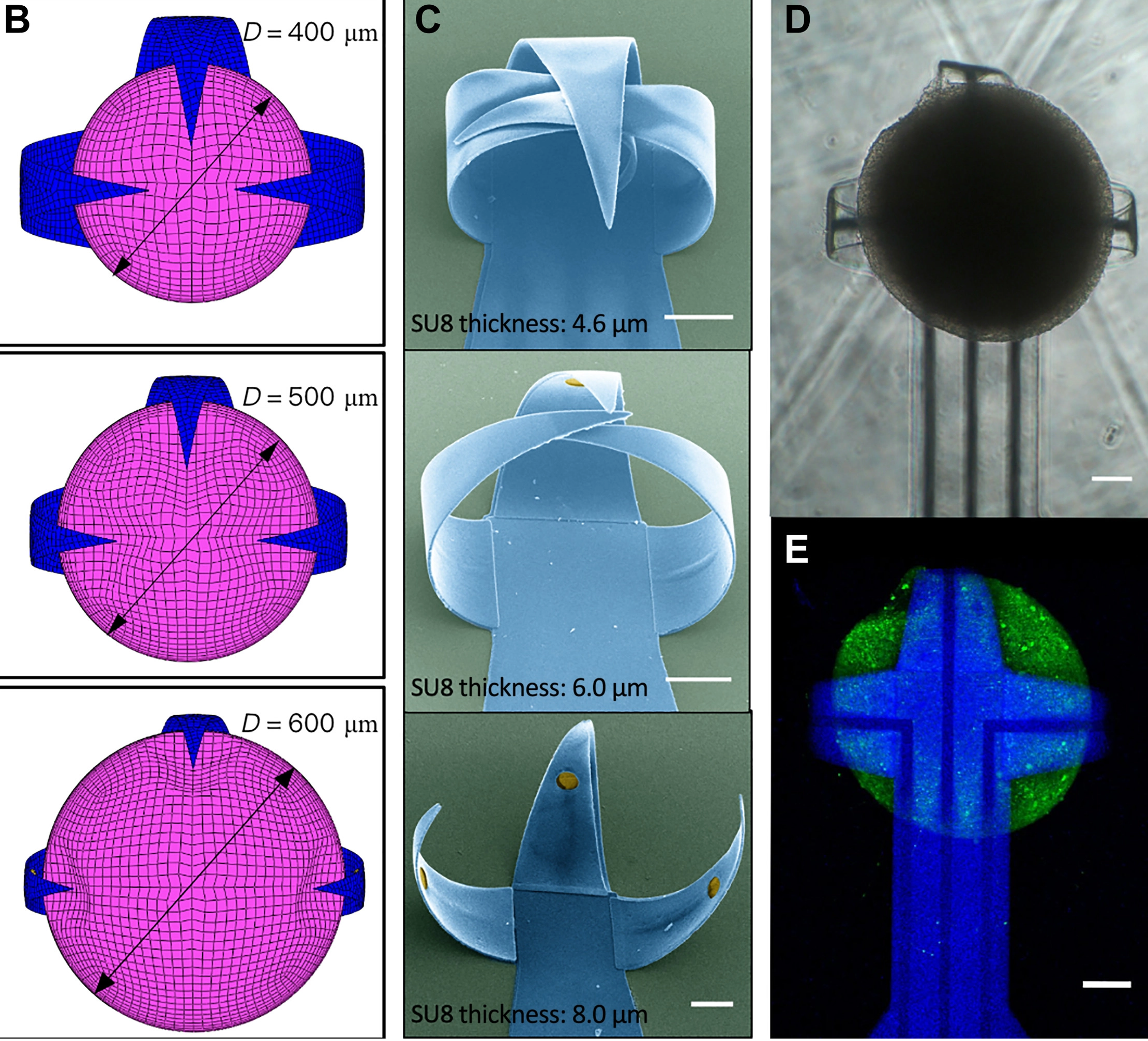
Publication highlight: Shell microelectrode arrays (MEAs) for brain organoids
Our MPS center members David Gracias (lead author), Lena Smirnova and Thomas Hartung have recently published a new methodology in Sceince Advances that showcases the use of microelectrode arrays for electrophysiology recording from 400- to 600-μm-sized organoids for up to 4 weeks.

Deok-Ho Kim receives award from the international society of biofabrication
“Imagine if after a serious accident, your damaged facial bones could be replaced with tissue made by your own cells. Or if you could pop a pill that could reprogram your immune system to fight a chronic disease, freeing you from a lifetime of medications. While both prospects sound futuristic, scientists and engineers at Johns Hopkins and elsewhere are working toward these and other advances in tissue engineering. “