

Unraveling the complexities of human health requires models and tools that closely mirror human physiology.
Microphysiological Systems (MPS) represent a transformative approach to culturing and studying human tissues under conditions that closely mimic the natural physiological environment. MPS technology facilitates the replication of biochemical, electrical, and mechanical responses essential for accurately simulating in vivo conditions and allows for the precise modeling of specific properties intrinsic to tissue function and disease states. The Hopkins Center for MPS is dedicated to fostering collaboration and providing cutting-edge technologies to our vibrant MPS research community.
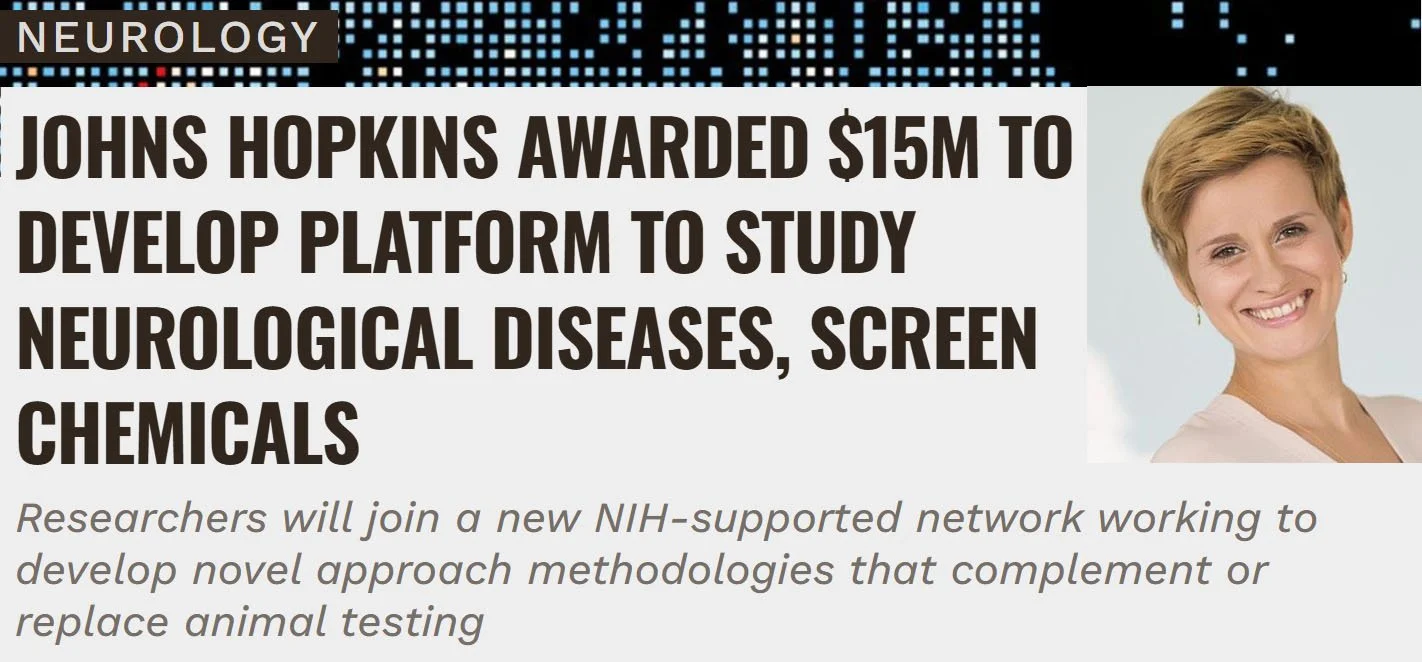
Dr. Lena Smirnova Awarded $15M NIH Grant to Advance Human-Relevant Neuro Models
We are pleased to announce that Dr. Lena Smirnova (Johns Hopkins Bloomberg School of Public Health) has received a $15 million NIH grant to develop the DROID platform, which integrates brain organoids, advanced sensing, and AI to study neurological diseases and evaluate drug and chemical safety; supported by the NIH Complement-ARIE program, this work advances human-relevant models that can complement or replace animal testing, improving disease modeling, drug discovery, and neurotoxicity assessment, and marking a significant step forward for microphysiological systems (MPS) and human-based biomedical research.
https://hub.jhu.edu/2026/03/19/researchers-awarded-15-million-for-neurology/
Breaking the Cycle: A New Approach to Treating Cardiac Fibrosis by Targeting Fibroblast Mechanosensing
01 May 1 2025
BioSpace press release “Breaking the Cycle: A New Approach to Treating Cardiac Fibrosis by Targeting Fibroblast Mechanosensing” , which summarizes a new Nature study. Dr. Sangkyun Cho co-led the work identifying SRC as a stromal-cell mechanosensor and showing that SRC inhibition (e.g., saracatinib), especially when combined with TGF-β blockade, can reverse fibroblast activation, reduce fibrosis, and restore contractile function in engineered heart tissues and a preclinical heart-failure model—pointing to a translational “mechanotherapy” path for cardiac fibrosis.
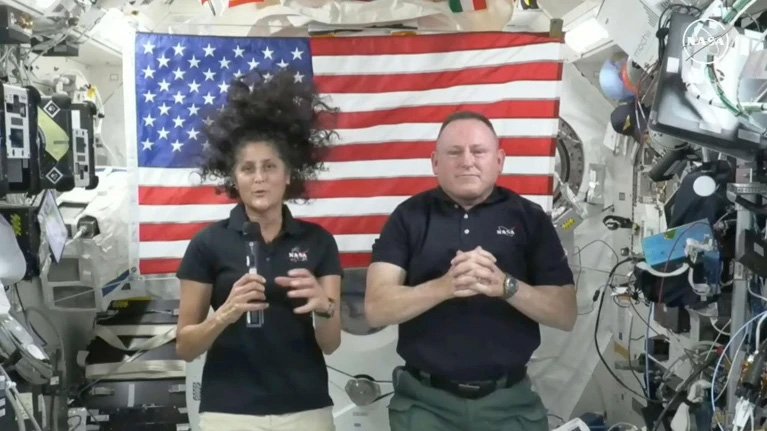
The human heart shows signs of ageing after just a month in space
24 September 2024
Nature News covered research co-authored by Johns Hopkins BME professor Deok-Ho Kim, which sent iPSC-derived engineered human heart tissue (“heart-on-a-chip”) to the International Space Station for 30 days. The team observed weakened contractile strength, irregular beating, and aging-like molecular signatures under microgravity; the work was published in PNAS (Mair et al., 2024; doi: 10.1073/pnas.2404644121).
The End of the Lab Rat?
August 20, 2024
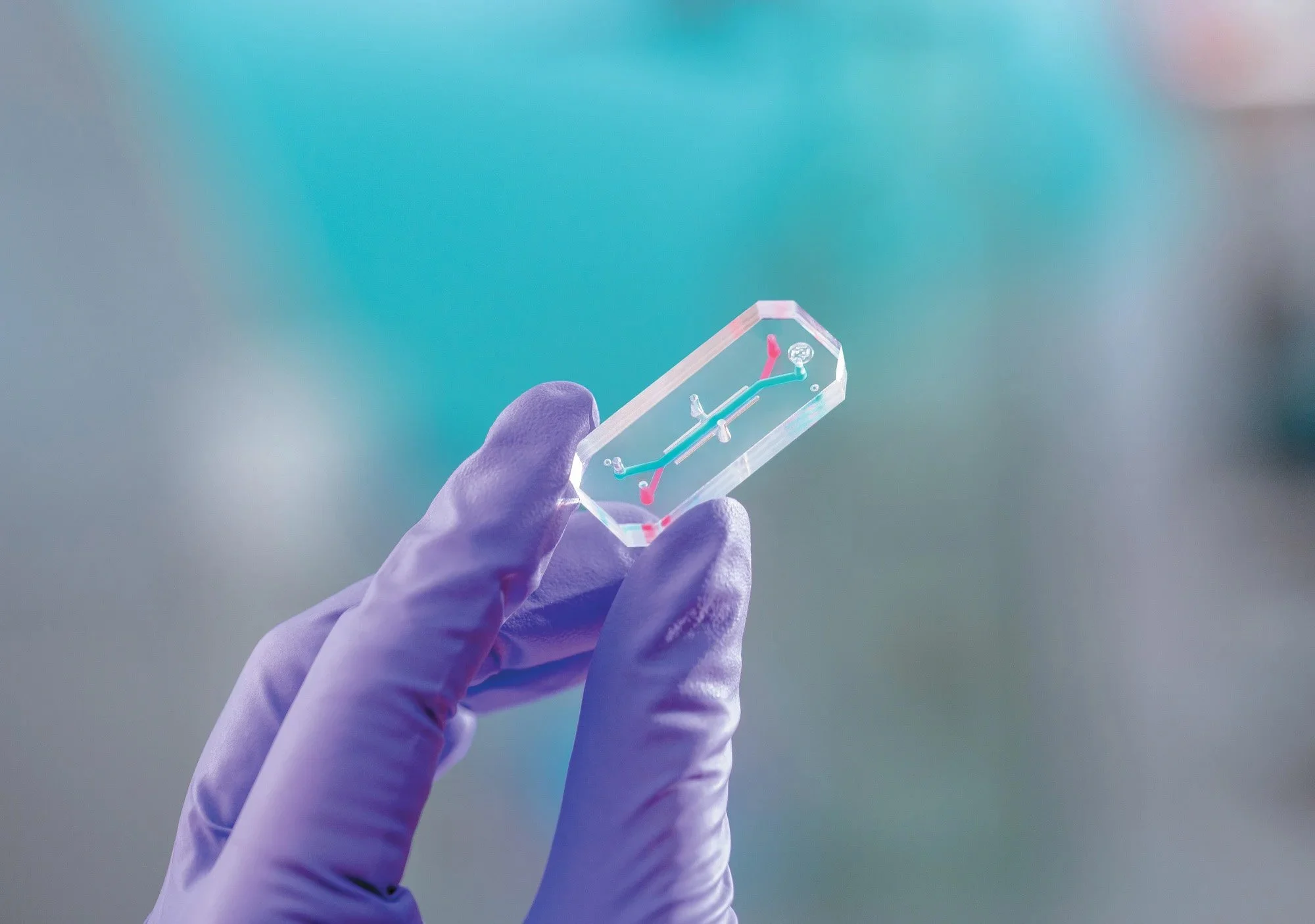
Scientific American profiled Johns Hopkins PIs Deok-Ho Kim and Vasiliki Machairaki, spotlighting Kim’s engineered human heart-on-a-chip for drug cardiotoxicity testing and Machairaki’s patient-derived iPSC brain organoids for Alzheimer’s research. The article highlights Hopkins’ organ-on-chip/iPSC platforms as next-gen alternatives that can reduce reliance on animal models.

Inaugural Hopkins Microphysiological Systems Symposium
Join us for the 2023 Inaugural JHU MPS Center Symposium!

The Cancer Moonshot, the role of in vitromodels, model accuracy, and the needfor validation

Latest in body art? ‘Tattoos’ for individual cells
New technology involving dots and wires adhering to live cells could some day provide early warnings for health problems

Johns Hopkins scientists study aging and heart disease by sending heart “tissue-on-a-chip” to space
"Human aging is very difficult to study because it takes a long time to see if any therapeutics make an impact," says Deok-Ho Kim, a professor of biomedical engineering. But, he notes, in a low-gravity environment where cardiovascular dysfunction occurs much more quickly, its progression can be closely monitored.